


.png)


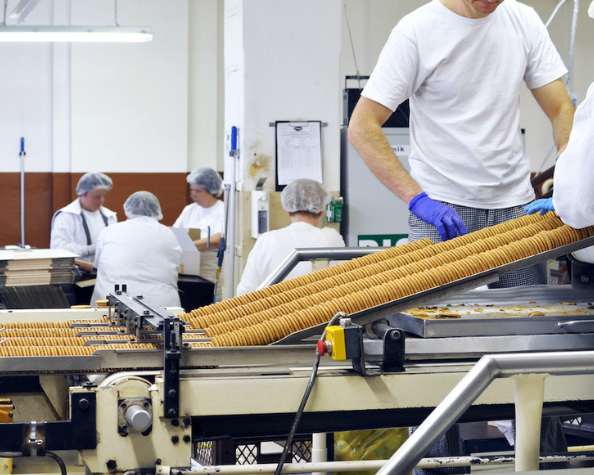
What does it take to streamline training in a fast-paced, high-turnover manufacturing environment? For General Mills, the answer was clear: transform outdated systems into a modern, scalable training solution built for the needs of the frontline.
In this exclusive behind-the-scenes look, General Mills’ Training Leaders, Jacey Crane and Shane Yakes, walk through how they used Dozuki to dramatically improve training efficiency, reduce operational friction, and empower their workforce to take ownership of their roles. Their story reveals not just a technology shift, but a cultural transformation that has reshaped how training works inside one of the world’s largest food companies.
Facing Disruptions and a Pressing Need for Efficiency
From 2017 to 2023, General Mills’ Hannibal, Missouri plant experienced a wave of operational changes. A shift from 8-hour to 12-hour workdays, expansion of production lines, and pandemic-related turnover all collided to stretch the team thin. At one point, 25% of the workforce was eligible for retirement, creating an urgent need to retain and transfer institutional knowledge before it disappeared.
As employee churn increased and complexity grew on the floor, the need for scalable, standardized training became impossible to ignore. The team recognized that to stay competitive and efficient, they had to rethink how training was delivered and fast.
Outdated and Inefficient: How Manual Training Slowed Everything Down
Prior to adopting Dozuki, training at General Mills relied heavily on paper, binders, and scattered digital documents. Materials were stored across SharePoint folders, physical binders, and team members’ hard drives.
This lack of centralized documentation created bottlenecks across departments. Trainers relied on spreadsheets to track employee progress manually, and critical updates were often missed. Communicating task completions was inconsistent and prone to error. The entire training system was not only inefficient, it was fragile.
These delays weren’t just inconvenient, they slowed down operations and increased the risk of human error. Managers and floor teams were left frustrated, constantly dealing with lost materials, unclear expectations, and the inability to train consistently at scale.
The Dozuki Transformation: Automating Training for Maximum Efficiency
When General Mills implemented Dozuki, the results were immediate and profound. By digitizing and automating their training workflows, the plant replaced scattered systems with a unified platform that brought clarity, speed, and consistency to the training process.
“Dozuki has really been the foundation that we are building everything up on,” Jacey explained. With Dozuki, operators could access visual, step-by-step guides from mobile devices or tablets, anytime, anywhere. Paper training packets became a thing of the past. Instead, checklists, videos, and instructions were instantly accessible right on the plant floor.
Automation played a key role in improving reliability. “Since we went to Dozuki, it’s not reliant on the team leaders or the L&D team to go and update those manually,” said Shane Yakes. “No one has to remember to do that. It’s all automatic, which has created a lot of time saving and gives us the live data.”
With Dozuki, the team could track employee progress, validate training in real time, and maintain visibility into who was trained, when, and on what. Instead of spreadsheets and emails, they now had data-driven insights into operational readiness.
Results That Speak for Themselves
The shift to Dozuki delivered measurable results almost immediately. General Mills reduced average training time by 62%, going from eight months to just two months to complete basic daily task training. This meant new hires reached productivity faster and with more confidence.
Sanitation training, once a slow and manual process that took over a year, was slashed to just four months, a 3x improvement in speed. With automated progress tracking, trainers could see exactly where each employee stood, eliminating uncertainty and enabling faster onboarding.
Changeover times also saw a dramatic shift. What previously took six hours was now completed in just 90 minutes, a 75% reduction in downtime. By providing clear checklists and visual instructions, operators followed procedures more accurately, avoiding errors and missed steps. As Shane put it, “It empowers the frontline operators and enables them to look at their equipment and understand it at a higher level.”
Lessons from the Field: How General Mills Nailed the Rollout
Rolling out a platform like Dozuki across a large facility comes with its challenges. But Jacey and Shane shared several key lessons that helped make their implementation successful.
They began with targeted pilots in high-impact areas. This gave the team space to gather feedback and iterate before scaling the solution plant-wide. “Know that changes to processes will be needed through the rollout,” Jacey emphasized, adding that operator involvement is essential from day one. “It’s not going to work unless the operators on the frontline are involved.”
Training wasn’t just for frontline employees. Department leaders, team supervisors, and even executives needed guidance on how to use the system effectively. With five generations working side-by-side, reinforcing training at every level was critical to widespread adoption.
Technical infrastructure also played a crucial role. Ensuring reliable Wi-Fi and accessible tablets made it easier to get guides into the hands of operators in real time. Without a strong tech foundation, even the best training materials won’t reach their full potential.
Lastly, Dozuki gave General Mills a powerful way to capture and preserve knowledge that might otherwise walk out the door. “Even though those people are leaving, we are capturing that knowledge and sharing it with everyone,” Shane noted.
Looking Ahead: What’s Next for General Mills and Dozuki
With impressive results already in hand, General Mills is continuing to evolve their training program using Dozuki. One exciting new development is the rollout of CreatorPro. Jacey shared her enthusiasm: “This is going to save us a significant amount of time. For the last few years, I’ve been doing everything manually, and now I can just go take a video, and it gets me most of the way there. It’s great.”
From automation to real-time data, General Mills is using Dozuki to close the gap between training and operations, all while scaling their workforce in a competitive labor market. The impact has gone beyond efficiency gains; it’s changed the way their teams work, learn, and grow together.
Become the Next Success Story
The results speak for themselves. If your team is ready to transform training, retain critical knowledge, and empower your workforce, Dozuki can help you get there.
Book a demo today and see how leading manufacturers like General Mills are building smarter training systems, from the ground up.

Written by Scott Ginsberg
Scott is the Content Marketing Manager at Dozuki. He’s spent 20+ years writing books about wearing nametags, conducting corporate training seminars on approachability, and leading knowledge management programs at tech startups. Text him right now at 314.374.3397 with your favorite emoji.