


.png)


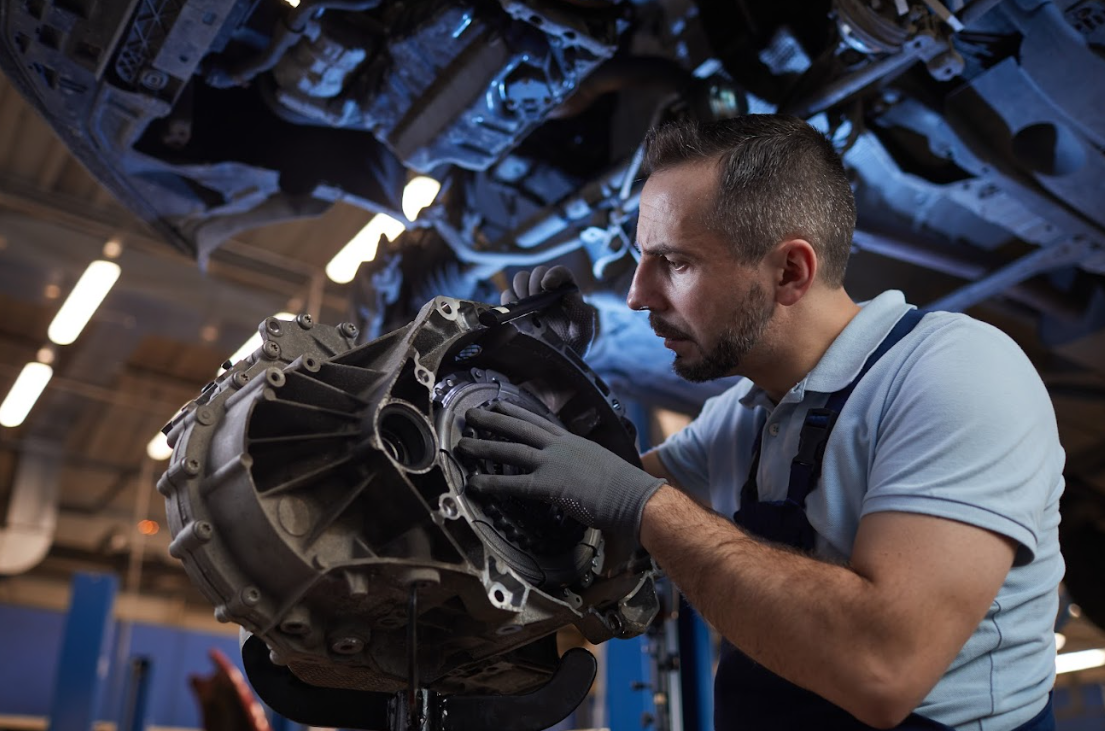
Manufacturing leaders face a stark truth: without skilled workers, even the most advanced equipment or optimized workflows fall flat.
With 27% of the manufacturing workforce set to retire in the next decade, the industry isn’t just confronting a labor shortage, it’s grappling with a systemic skills crisis.
Traditional training methods can’t keep pace.
Job shadowing, informal knowledge transfer, and paper-based programs don’t scale. And they certainly don’t prepare a modern, adaptable workforce.
To thrive in this era of disruption, companies need more than a bandage. They need a new blueprint for training.
A digital-first, competency-driven approach that aligns workforce development with operational excellence.
Skills Are No Longer Adjacent
For too long, training has been treated as an auxiliary function. Something that happens during onboarding, or worse, only when something goes wrong.
But manufacturing has changed. Equipment is more complex. Regulations evolve constantly. Quality standards are stricter.
In this new reality, skills are strategic assets. How you develop them directly impacts profitability and resilience.
Leading companies are shifting away from one-off training events and investing in connected worker platforms that embed skill development into daily operations. These systems enable:
- Real-time guidance for frontline workers
- Continuous tracking of individual competencies
- Cross-functional skill building at scale
- Instant retraining when standards change
The result is a workforce that’s agile, accountable, and future-ready.

From Onboarding to Career Paths
A digital blueprint doesn’t stop at orientation. With structured learning pathways, employees don’t just get up to speed faster, they see where they’re going next.
Digital systems allow workers to track their own progress and understand which competencies unlock new responsibilities or leadership opportunities. This transparency boosts engagement and retention.
After implementing Dozuki Learning Pathways, General Mills:
- Cut training time by 62%
- Reduced changeover time by 75%
- Tripled sanitation efficiency
More than operational wins, these improvements reflect a workforce that is not only better trained, but deeply invested.
A Future-Ready Workforce Starts Now
Workforce agility is not just a buzzword. It’s the differentiator between companies that adapt and those that stall out.
As the industry continues to evolve, training must become a core competency.
That means more than better handbooks.
It means rethinking training as an ongoing, data-driven system that supports every employee, every day.

Written by Scott Ginsberg
Scott is the Content Marketing Manager at Dozuki. He’s spent 20+ years writing books about wearing nametags, conducting corporate training seminars on approachability, and leading knowledge management programs at tech startups. Text him right now at 314.374.3397 with your favorite emoji.