


Standardize maintenance execution and improve equipment reliability across every shift and site.





Standardized PM Procedures: Digitize preventive maintenance workflows with step-by-step instructions that improve consistency across technicians and facilities
Embedded Checklists & Sign-Offs: Require critical inspections, measurements, and approvals directly within maintenance execution
Scheduled Maintenance Coordination: Automate recurring PM tasks and ensure maintenance activities stay aligned with operational schedules
Mobile & QR Code Access: Give technicians instant access to procedures, manuals, and asset-specific instructions at the point of work
Maintenance History Visibility: Maintain searchable digital records of completed PM activities, inspections, and service actions

Guided Troubleshooting Workflows: Standardize diagnostics with visual, step-by-step repair guidance that reduces downtime and variability
Tribal Knowledge Capture: Preserve technician expertise by converting repair knowledge into reusable digital procedures
Embedded Media & Markup: Use photos, videos, annotations, and diagrams to simplify complex maintenance tasks and repairs
Instant Procedure Access: Surface troubleshooting instructions immediately through QR codes, mobile devices, or connected systems
Cross-Shift Consistency: Ensure maintenance teams follow the same repair process regardless of shift, technician, or location
CMMS & ERP Integration: Connect maintenance execution data with enterprise systems for improved visibility and coordination
Digital Work Orders: Manage inspections, repairs, approvals, and maintenance tasks through connected operational workflows
Real-Time Maintenance Visibility: Track task progress, downtime events, and completion status across teams and facilities
Audit-Ready Maintenance Records: Automatically capture timestamps, sign-offs, and maintenance history for compliance and reporting
Operational Data Capture: Record readings, observations, photos, and measurements directly within maintenance workflows


Standards-Based Maintenance Training: Build technician training directly from approved maintenance procedures and repair workflows
Hands-On Skill Validation: Verify maintenance proficiency with trainer assessments and over-the-shoulder evaluations
AI-Powered Knowledge Assessments: Automatically generate quizzes from maintenance procedures to validate comprehension without manual effort
Cross-Training Support: Prepare technicians to support multiple assets, lines, or facilities with structured learning paths
Automated Retraining: Keep maintenance teams aligned with updated procedures through triggered refresher training and certifications
Role-Based Qualification Paths: Automatically assign training and certification requirements based on technician responsibilities
Hands-On Competency Validation: Combine quizzes and trainer assessments to verify both comprehension and practical skill execution
Automated Recertification: Trigger retraining and requalification when procedures change or certifications expire
Cross-Training Visibility: Track technician readiness across assets, lines, and facilities to improve workforce flexibility
Training Matrix Insights: Identify gaps, monitor certification status, and support succession planning across maintenance teams

Video-to-Procedure Conversion: Capture technician expertise on video and instantly generate digital maintenance procedures
Accelerated Onboarding: Reduce ramp time with AI-generated quizzes, structured learning paths, and guided workflows
Legacy Document Digitization: Convert PDFs, Word docs, and outdated maintenance binders into searchable digital standards
AI-Generated Assessments: Automatically create quizzes from maintenance procedures to save hours of manual authoring effort
Scalable Knowledge Retention: Preserve critical tribal knowledge before experienced technicians retire or transition roles

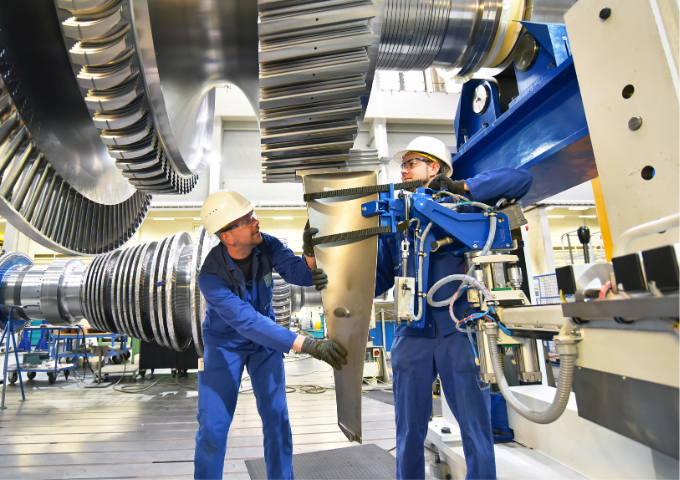
This global heavy equipment manufacturer partnered with Dozuki to create a standardized foundation for operational excellence.
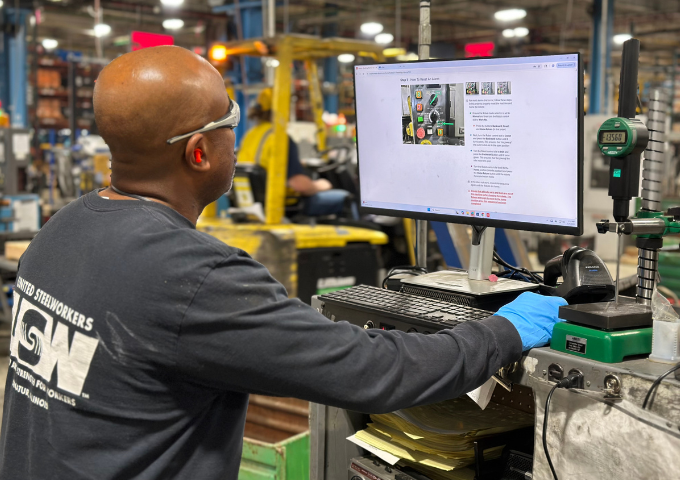
By embedding quality checks into digital workflows, they eliminated guesswork and reduced defects across product lines, while giving leadership real-time visibility into frontline performance.


.png)


