


.png)


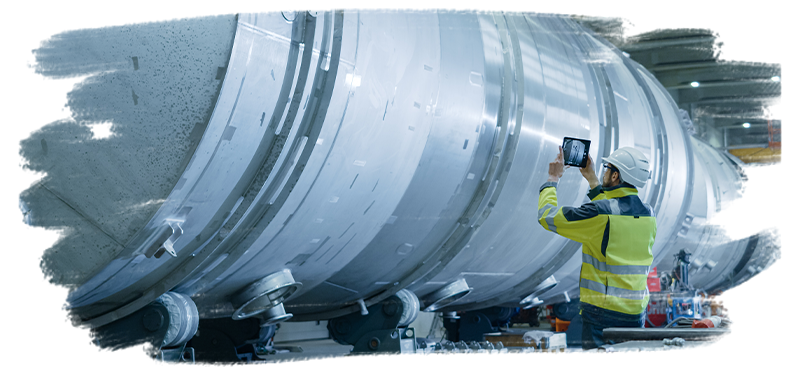
New employee onboarding is a crucial process that directly impacts a company's productivity and bottom line.
On average, the cost of onboarding a new hire amounts to approximately $4,100.
Updated on [4/1/26]
But what if there was a way to streamline this process, getting new operators up to speed efficiently while minimizing costs? That's where connected worker solutions come into play.
Connected worker solutions have been making waves in various industries, and can transform onboarding for leading manufacturing organizations.
Let's take a closer look at a few examples of how connected worker solutions have reduced onboarding time and costs for our customers. While we can't speak for every connected worker solution, we'll share several use cases and statistics from the Dozuki side of things.
Digitize New Hire Onboarding Processes
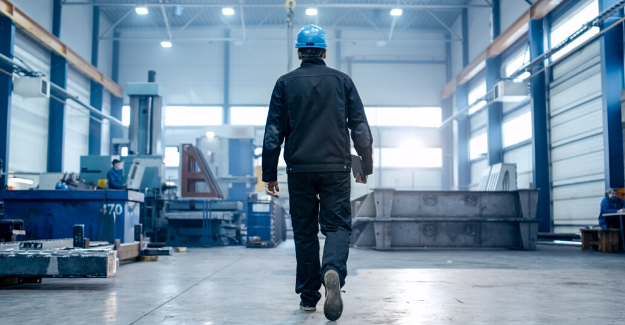
Within the sprawling confines of an aerospace manufacturer, employing a workforce of 50,000, a conundrum emerged. The challenge of preserving tribal knowledge while combating brain drain. The solution? A strategic leap into the digital realm.
Initiating a pilot program aimed at comprehensive training for new hires, the company embraced the potency of Dozuki's connected worker solutions. Swiftly, these novices gained access to standardized processes and courses, transforming their journey into a guided odyssey.

In just a month, employee onboarding efficiency skyrocketed by an astounding 90%. Mirroring this triumph, a cost-saving victory was achieved: $80,000 reclaimed within the realms of human resources.
This tale stands testament to the fusion of manufacturing prowess and pioneering technology. It signifies an era where knowledge seamlessly transfers, processes streamline, and the workforce wields the tools of the digital age.
Rolling Out a Multi Facility Training Solution
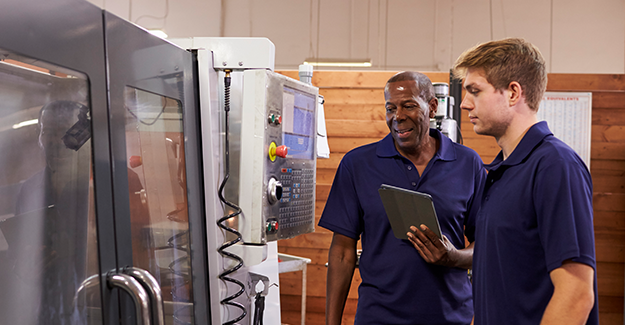
In the dynamic realm of a chemical manufacturer, where a thriving workforce of 94,000 industrious individuals collaborates, a story of transformation unfolds.
Powered by the cutting-edge capabilities of Dozuki's connected worker solutions, the primary objective was clear: significantly curtail the duration required to onboard new team members.
The outcome was nothing short of impressive, resulting in a notable 40% reduction in the onboarding timeline. With each passing year, the solution's impact radiated further. Within the relatively brief span of two years, its influence extended to encompass over 100 operational plants, garnering enthusiastic adoption by a global community exceeding 20,000 users.
This narrative's significance extends beyond its scale; it serves as a poignant reminder of the potential inherent in connected worker solutions, acting as catalysts for a seamless and efficient onboarding era.
Streamlining Factory Changeover Procedures
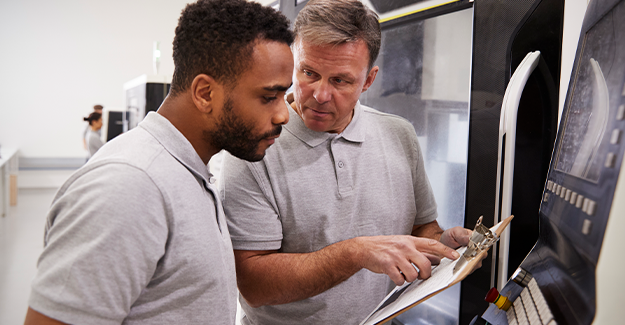
In the food & beverage industry, Dozuki had a customer where a workforce of 35,000 diligently collaborated. This enterprise embraced a strategic endeavor: the digitization of intricate procedures to enhance the onboarding experience for new hires.
This transformation yielded a staggering outcome—a remarkable 74% reduction in changeover time. The star of this story? A newcomer, devoid of prior manufacturing experience, who orchestrated a complex changeover feat in just 90 minutes. This monumental achievement starkly contrasts the prior 24-hour ordeal. The repercussions were substantial, safeguarding the company from extensive downtime and potential losses amounting to approximately $324,000 in a single day.
These real-world instances shine a spotlight on the formidable potential of connected worker solutions, such as Dozuki, in alleviating onboarding duration and expenses for manufacturing enterprises.
As the technology landscape evolves, these solutions emerge as beacons of efficiency, ushering in a new era of seamless onboarding that mutually benefits both organizations and their workforce.
The Strategic Value of Rapid Time-to-Competency
Reducing onboarding time is no longer just about faster hiring; it is about building a scalable system that ensures every new employee reaches full productivity without relying on the availability of a human mentor. By implementing a connected worker platform, manufacturers can replace fragmented, peer-to-peer training with structured, digital pathways that guide workers through complex tasks in real time. This approach ensures that institutional knowledge is preserved and accessible at the point of need, allowing new hires to contribute to production goals almost immediately while maintaining the highest standards of safety and quality.
The long-term success of an onboarding strategy depends on the strength of your digital knowledge management software. When training content is a live, interactive asset rather than a static document, it creates a continuous feedback loop between the shop floor and management. A robust connected worker platform unifies these standards, ensuring that as processes evolve, training updates are pushed instantly to the frontline. By digitizing the onboarding experience, manufacturers don't just shorten the learning curve, they build a more agile workforce capable of adapting to shifting operational demands with total confidence.
Frequently Asked Questions
How do connected worker platforms reduce onboarding time?
Connected worker platforms reduce onboarding time by replacing informal, inconsistent training with structured, role-specific digital content. New employees are no longer dependent on tribal knowledge or manual shadowing. Instead, they get access to standardized guides, visual instructions, and interactive training modules from day one, ensuring they become productive faster, with fewer errors and less supervision.
What makes connected worker training more effective than traditional methods?
Traditional methods rely heavily on personal availability, tribal knowledge, and variable documentation quality. Connected worker solutions eliminate that variability. They provide consistent, up-to-date training that’s accessible on demand, often with visual aids, videos, and step-by-step walkthroughs that match how today’s workforce learns best. That repeatability leads to faster comprehension and stronger retention.
Can a connected worker platform support hands-on learning?
Yes. In fact, the best connected worker solutions are designed to support blended learning, combining digital instruction with real-world practice. For example, new hires can review procedures through mobile devices at the workbench, perform the task with supervision, and get assessed by a trainer through built-in sign-off features. This approach reinforces learning while ensuring accuracy.
How do connected worker platforms improve consistency during onboarding?
By standardizing the training content and delivery method, connected worker platforms ensure every new hire receives the same information, in the same order, with the same expectations, no matter who is doing the training or where it's happening. That consistency reduces variation, shortens ramp-up time, and helps teams maintain quality as they scale.
What results can manufacturers expect from using connected worker solutions for onboarding?
Manufacturers typically see a measurable reduction in time-to-competency, fewer early-stage errors, and improved retention among new hires. For example, sites using Dozuki have reduced onboarding time by more than 60% and built role-based pathways that guide workers from day one through full proficiency. The impact goes beyond faster start, it creates a more confident, capable workforce from the beginning.

Written by Scott Ginsberg
Scott is the Content Marketing Manager at Dozuki. He’s spent 20+ years writing books about wearing nametags, conducting corporate training seminars on approachability, and leading knowledge management programs at tech startups. Text him right now at 314.374.3397 with your favorite emoji.