


.png)


The Future of Manufacturing in 2026: Empowering the Connected Worker
Key Takeaways (The TL;DR)
- Connected worker initiatives will be central to driving efficiency, safety, and productivity in 2026.
- Manufacturing technology is advancing rapidly, but integration and workforce adoption remain major challenges.
- The balance between human expertise and digital tools will define success in the coming years.
- Leaders must invest in training, adaptability, and data-driven decision-making to prepare their workforce.
- Organizations that bridge people, processes, and technology will gain a competitive edge in the global marketplace.
Updated on [4/1/26]
As the manufacturing industry heads toward 2026, the pace of change is accelerating. New technologies are reshaping production floors, supply chains are becoming smarter, and the demand for agility has never been higher. Yet, amid these shifts, one truth stands out: the workforce remains the most critical asset.
The concept of the connected worker is transforming from a buzzword into a business imperative.
Empowered with digital tools, real-time data, and advanced manufacturing technology, workers are expected to operate with greater precision, efficiency, and insight. However, while technology brings new opportunities, it also introduces new challenges, ranging from integration complexities to the need for continuous training.
This article explores the key hurdles manufacturers will face in 2026, focusing on the balance between technological adoption and workforce empowerment. The goal is clear: to understand how manufacturers can embrace innovation without losing sight of the people who drive it.
The Evolving Role of the Connected Worker
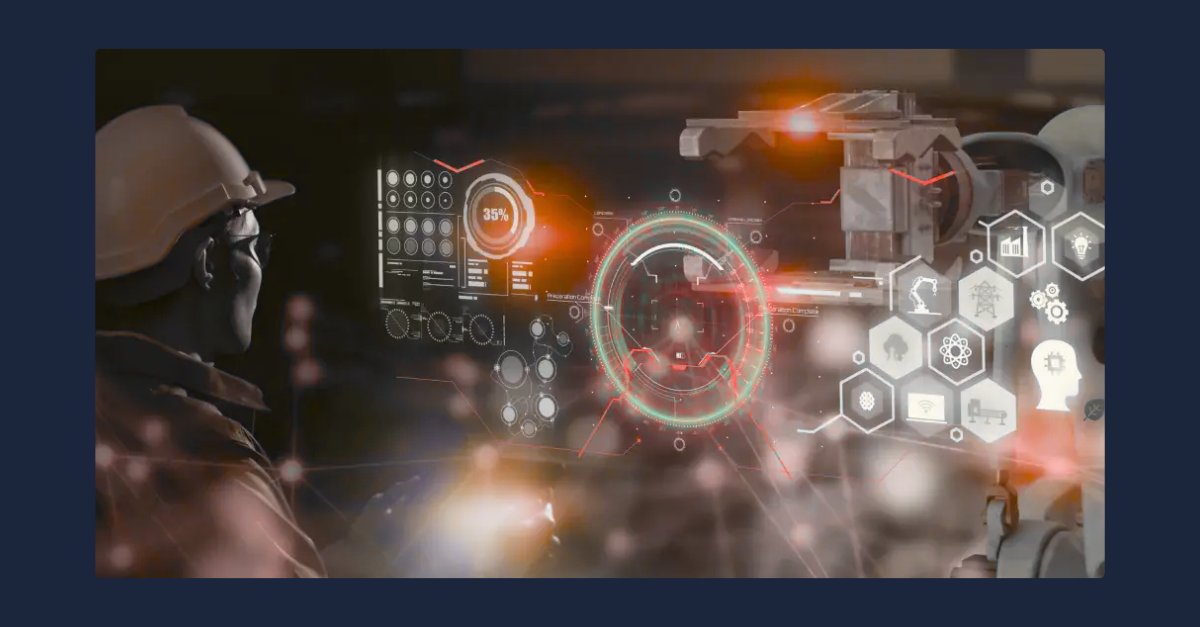
In 2026, the connected worker is no longer a passive participant in manufacturing operations but an active decision-maker empowered by data. Wearable devices, mobile platforms, and smart sensors are providing workers with instant access to critical insights, whether it’s machine performance, quality alerts, or safety compliance.
From Task Execution to Decision-Making
Traditionally, workers carried out tasks based on instructions from supervisors or static systems. The connected worker of 2026, however, will leverage digital tools to interpret data in real time and make operational decisions on the spot. This shift transforms their role from task execution to strategic problem-solving.
Bridging the Human-Tech Divide
While technology is often seen as replacing human roles, in reality, the opposite is true: it enhances them. Workers equipped with manufacturing technology tools can identify inefficiencies faster, reduce downtime, and ensure safer operations. Still, the success of this transformation depends on workforce readiness, digital adoption can falter if training and cultural alignment are overlooked.
A More Resilient Workforce
The integration of connected worker initiatives also builds resilience. When disruptions occur, whether from supply chain volatility, workforce shortages, or unexpected downtime, digitally enabled employees can respond with speed and agility. This adaptability will be a defining strength in 2026 and beyond.
Manufacturing Technology Challenges in 2026
The promise of advanced manufacturing technology is clear: smarter factories, predictive analytics, and seamless operations. Yet as 2026 approaches, the path to realizing these benefits is filled with obstacles that organizations must address head-on.
- Integration Across Legacy Systems
Many manufacturers still rely on older systems that were never designed to connect with modern platforms. Integrating IoT devices, AI-powered analytics, and automation into these environments can be costly, time-consuming, and prone to disruption. - Data Overload and Accessibility
Factories are generating more data than ever before, but having data isn’t the same as using it effectively. The challenge lies in ensuring that information is not only collected but also transformed into actionable insights accessible to the connected worker on the shop floor. - Cybersecurity Risks
As connectivity increases, so do vulnerabilities. Protecting intellectual property, safeguarding operational data, and preventing downtime from cyberattacks are all top concerns for manufacturers adopting digital-first solutions. - Workforce Adaptability
Even the most advanced technology will fail if the workforce isn’t prepared to use it effectively. Upskilling and reskilling programs must keep pace with innovation. Without them, adoption will lag and ROI will diminish. - Balancing Automation with Human Expertise
Automation promises efficiency, but over-reliance risks sidelining human insight. Manufacturers must strike a balance where technology enhances—rather than replaces—the critical thinking and creativity of their workforce. - The Core Need for Content Digitization
Perhaps the most fundamental challenge lies in digitizing the content that fuels these systems. Work instructions, maintenance logs, training manuals, and compliance checklists often remain trapped in paper form or scattered across disconnected platforms. Without digitization, connected worker initiatives stall before they even begin. Creating structured, digital-first content is the essential first step toward empowering workers with real-time information and unlocking the full potential of manufacturing technology.
Bridging People and Technology
The future of manufacturing doesn’t rest on technology alone, it depends on how effectively people and machines work together. For organizations looking toward 2026, the challenge is not just adopting the latest tools but ensuring they are embedded seamlessly into the daily workflow of the connected worker.
Human-Centered Technology
Manufacturing technology must be designed with the user in mind. Tools that are overly complex or disconnected from real-world workflows create resistance rather than adoption. Successful digital initiatives prioritize usability, providing workers with intuitive platforms that make their jobs easier, not harder.
The Importance of Change Management
Technology rollouts often stumble because leaders underestimate the cultural impact of change. A strong strategy for workforce adoption includes clear communication, hands-on training, and an environment where feedback is encouraged. The more employees feel part of the transformation, the faster they embrace it.
Empowering Decision-Makers at Every Level
By democratizing access to data, manufacturers can empower workers to act with greater autonomy. When frontline employees have the right information at the right time, they make better decisions, reduce errors, and contribute directly to productivity gains. This shift transforms technology from a top-down directive into a bottom-up enabler of innovation.
A Partnership, Not a Replacement
Technology alone cannot guarantee success—it must complement human skill, experience, and problem-solving. Manufacturers that see technology as a partner rather than a replacement will foster a more resilient, adaptable, and motivated workforce.
Looking Ahead: Strategies for Success
Preparing for 2026 requires more than simply investing in new manufacturing technology, it demands a holistic strategy that unites people, processes, and digital tools. Organizations that thrive will be those that approach transformation with intention and foresight.
- Start with Digitization
The journey begins with digitizing content. From standard operating procedures to training manuals, information must be accessible, searchable, and usable in digital form. Without this foundation, connected worker initiatives cannot scale effectively. - Prioritize Workforce Development
Continuous learning is essential. Manufacturers should invest in robust upskilling and reskilling programs, ensuring workers are not just equipped to use today’s tools but are prepared to adapt as new technologies emerge. - Build a Resilient Technology Ecosystem
Flexibility is key. Rather than relying on rigid, monolithic platforms, companies should embrace modular, interoperable systems that can evolve alongside business needs. This approach reduces integration headaches and supports long-term adaptability. - Strengthen Cybersecurity at Every Level
Security can no longer be an afterthought. From connected devices to cloud platforms, every layer of the digital ecosystem must be protected. Cybersecurity training should extend beyond IT teams to include every employee interacting with connected systems. - Foster a Culture of Collaboration
The most successful transformations occur when technology is introduced as a collaborative enabler. Leaders must foster environments where cross-functional teams share data, insights, and best practices, breaking down silos and creating a culture of shared responsibility. - Measure and Iterate
Digital transformation is not a one-time project but an ongoing process. Organizations must establish metrics for success, monitor adoption rates, and refine systems continually. Small wins build momentum and help sustain long-term progress.
Navigating the Future with System-Driven Control
As manufacturing moves toward 2026, success will be defined by how effectively an organization can unify its workforce with its technology. Implementing a connected worker platform is the critical step in moving away from reactive "firefighting" and toward a proactive, data-driven operation. By empowering the frontline with real-time insights and structured guidance, manufacturers can bridge the gap between human expertise and digital systems. This ensures that every operator is equipped to handle the increasing complexity of modern production while maintaining total operational control.
The foundation of this transformation lies in a robust approach to digital knowledge management software. When operational standards are centralized, accessible, and interactive, they become a strategic asset for growth and resilience rather than just static documentation. By choosing a comprehensive connected worker platform like Dozuki, leaders can foster a culture of continuous improvement where frontline feedback is captured and standards are enforced automatically. This systemic approach ensures workforce agility is built directly into the daily workflow, allowing manufacturers to navigate the challenges of 2026 with confidence.
The Road Ahead
As 2026 approaches, the manufacturing landscape will be defined not only by rapid technological advances but also by how well organizations prepare their people to embrace them. The connected worker stands at the center of this transformation, empowered by real-time insights, strengthened by digital tools, and essential to unlocking the true potential of modern factories.
The road ahead will not be without challenges. From digitizing critical content to overcoming integration hurdles and ensuring workforce readiness, manufacturers must address foundational issues before reaping the full benefits of innovation.
Yet for those who invest in both their technology and their people, the rewards are significant: stronger resilience, improved productivity, and a competitive edge in a global market that demands agility.
Ultimately, success in 2026 will depend on striking the right balance between manufacturing technology and human expertise. Organizations that bridge this gap—empowering workers as decision-makers and partners in progress—will not only survive the next wave of change but will lead it.

Written by Dozuki
Dozuki is the leading Connected Worker Platform for industrial operations. Since 2011, Dozuki has helped thousands of manufacturing sites standardize processes, upskill their workforce, and capture real-time data to drive continuous improvement. With a focus on ease of use and enterprise-grade security, Dozuki is the...
The #1 Connected Worker Platform
Trusted by thousands of industrial teams to standardize how work actually gets done. Dozuki turns frontline performance into compounding knowledge and measurable bottom-line impact.
Related Posts
Connected Worker Platform Use Cases in Manufacturing
Manufacturers are investing heavily in digital transformation, but technology alone does not improve frontline performance. According to Deloitte’s 2025 Manufacturing...
Continue Reading →Connected Worker Platform for Global Manufacturers
For large manufacturers, digital transformation gets harder with every plant added to the network. One facility may rely on experienced operators and paper instructions....
Continue Reading →Industrial AI for Enterprise Execution with Connected Worker Platforms
Industrial AI has quickly become one of the most talked-about priorities in manufacturing. Organizations are investing heavily, vendors are accelerating roadmaps, and...
Continue Reading →